Master-at-Arms (MA): Navy Reserve
When you purchase through links on our site, we may receive compensation at no extra cost to you.
Serve in the Navy and keep your civilian job. The Navy Reserve Master-at-Arms (MA) role is built for that.
As an MA, you support law enforcement and security on Navy installations and during certain missions. You help protect people, facilities, and equipment. You may also support force protection and anti-terrorism work when the unit needs it.
This guide explains what MAs do, how training works, how promotion works, and what pay and benefits can look like in the Reserve.
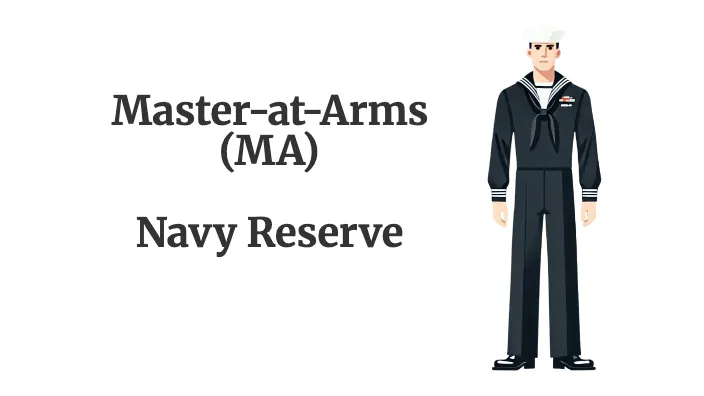

Job Role and Responsibilities
Job Description
Navy Reserve Master-at-Arms (MA) personnel perform military law enforcement and security work. They protect people, facilities, and equipment. They also support force protection tasks when missions require it. The duties can look similar to civilian law enforcement, but MAs work under military rules and in military settings, both in the U.S. and overseas.
Daily Tasks
- Conduct patrols and control access at gates and checkpoints.
- Enforce laws, regulations, and Navy policies.
- Respond to incidents and help secure scenes.
- Investigate security issues and help detain suspects when authorized.
- Train for anti-terrorism and force protection missions.
- Provide protective services for senior leaders when assigned.
- Use security systems such as cameras and access control tools.
Specific Roles
MAs can focus on different security functions.
| Specialty | Responsibilities |
|---|---|
| Installation Security | Base security, gate control, patrols, and incident response. |
| Expeditionary Security | Force protection during deployments and higher-risk missions. |
| NCIS Support | Support investigations with security, scene control, and coordination as directed. |
| K-9 Unit | Work with military working dogs for detection tasks when qualified. |
| Harbor Security | Patrol waterfront areas and support security operations around ships and piers. |
Mission Contribution
MAs help keep Navy operations safe and orderly. They deter threats, enforce standards, and protect critical areas. That security supports readiness because people and equipment can operate without constant disruption.
Technology and Equipment
MAs train on common security tools and systems.
- Weapons MAs train on small arms and may use non-lethal tools based on policy and assignment.
- Surveillance CCTV, access control systems, motion sensors, and biometric tools where installed.
- Vehicles Patrol vehicles and, for some roles, watercraft used in harbor security.
- Communication Radios and secure communication systems used for dispatch, coordination, and reporting.

Work Environment
Setting and Schedule
MA work covers more than gate duty. Some days focus on routine checks and patrols. Other days involve responding to incidents or supporting higher-security events. The pace can shift quickly based on what happens on the installation or mission site.
Most Reservists follow the standard schedule of one weekend a month and two weeks a year. Mobilizations can change that. When the Navy activates a unit or needs extra security, Reservists may serve full-time for a period.
Where You’ll Work
- Naval bases for patrols, access control, and incident response
- Harbor areas for waterfront security and vessel support
- Overseas locations where units need added security support
- Expeditionary missions when assigned to deployed force protection roles
- Detention and holding areas when tasked with custody and control duties
Daily Schedule
- Drill weekends: training, inspections, and law enforcement exercises
- Annual training: full-time duty focused on unit readiness and operational tasks
- Activations: extended orders that may be stateside or overseas
Leadership and Communication
MAs work inside a clear chain of command.
- Senior enlisted leaders run daily operations and training.
- Officers set priorities and manage security planning at the unit level.
- NCIS and other partners coordinate with MAs when investigations or security events require support.
Accurate communication matters. MAs use briefs, radio traffic, and written reports to document actions and keep teams aligned. Clear reporting reduces mistakes and protects both the mission and the people involved.
Teamwork vs. Working Alone
MA work includes both team operations and solo posts.
- Team missions: patrol pairs, response teams, and large security details.
- Solo duty: fixed posts, access points, and some monitoring tasks.
Hours can be long during major events or emergencies. Training exists for a reason. It prepares MAs to stay calm, follow procedures, and act correctly when stress is high.
Training and Skill Development
Initial Training
MA training starts at Naval Technical Training Center (NTTC) Lackland in San Antonio, Texas. This is Master-at-Arms A School. The program lasts about nine weeks. Training covers the basics of military law enforcement and installation security.
Core topics include:
- Military law: rules, jurisdiction, and enforcement procedures
- Weapons training: safe handling and qualification standards, plus approved non-lethal options
- Defensive tactics: control techniques, restraint methods, and safe takedowns
- Emergency response: crisis response, active threat drills, and incident control
- Patrol and investigations: observation, scene security, evidence handling basics, and suspect detention procedures
Graduation confirms you met training standards for MA duties.
Advanced Training
Reservists can pursue specialized training based on eligibility and unit needs.
- K-9 handler training: military working dog support for explosives or narcotics detection
- Expeditionary security operations: force protection for deployed and higher-risk missions
- Naval Corrections Academy: detention operations and custody procedures
- Protective Service Detail (PSD) training: close protection for senior leaders and high-value assets
- Harbor Patrol Unit (HPU) training: waterborne security and waterfront anti-terrorism support
Ongoing Skill Development
MA skills require regular practice. Units keep proficiency through recurring training.
- Drill weekends: weapons qualification events, scenario training, and law enforcement exercises
- Annual training: longer exercises and operational work, stateside or overseas depending on orders
- Civilian crossover: skills in reporting, patrol procedures, and incident response can translate to civilian law enforcement roles
Every drill and exercise builds repetition and confidence under stress.

Physical Demands and Medical Evaluations
Physical Requirements
MA work can be physically demanding. Security duties may require fast movement, strong endurance, and quick decision-making. Reservists must meet passing standards on the Navy Physical Readiness Test (PRT).
The PRT includes:
- Push-ups completed in a set time
- Forearm plank for core endurance
- 1.5-mile run or an approved alternate cardio event
Standards vary by age and gender. Failing required events can trigger remedial training and can affect a member’s standing.
Daily Physical Demands
Physical demand depends on the assignment and location. Common demands include:
- Standing for long periods at gates, posts, or patrol routes
- Running or sprinting during incident response
- Physical control and restraint tasks during detentions
- Carrying gear and moving barriers or equipment when needed
Medical Evaluations
Applicants complete a full medical screening before enlistment. Screening typically includes:
- Hearing and vision testing
- General health and cardiovascular review
- Drug screening
- Mental health screening tied to safe performance in security roles
Reservists also must maintain medical readiness through periodic health assessments. Members must report conditions that could affect duty performance.
Deployment and Duty Stations
Deployment Details
Reserve MAs deploy based on mission needs. Some members spend most of their time stateside. Others mobilize for overseas work. The difference often comes down to unit requirements and operational demand.
- Short-term activations These can include emergency response support, homeland security support, or major special events.
- Extended deployments Some mobilizations run 6 to 12 months, including training time and the assignment itself.
- High-threat assignments Some missions involve force protection and security work in areas with higher risk.
Some orders are volunteer-based. Others are mandatory. When the Navy mobilizes you, you are expected to report.
Location Flexibility
Reservists usually drill close to home at a Navy Operational Support Center (NOSC) or a nearby installation. Mobilization locations can vary widely.
Common duty locations include:
- Naval bases Security, access control, patrols, and incident response in the U.S. or overseas.
- Higher-risk regions Security support for personnel and critical infrastructure when conditions require it.
- Ports and harbors Waterfront security and anti-terrorism support at key maritime sites.
- Embassy and consulate support Some assignments can support security needs tied to diplomatic facilities, based on mission requirements and eligibility.
Reservists can state preferences, but assignments follow mission needs first.
Career Progression and Advancement
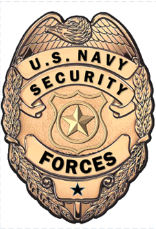
Master-at-Arms (MA) badge. Credit: U.S. Navy.
Career Path
Promotions bring larger duties and more leadership expectations.
- E-1 to E-3 Learn the basics. Work entry-level security and law enforcement tasks under supervision.
- E-4 to E-6 Take on more independent work. Lead small teams. Pursue specialty training when eligible.
- E-7 to E-9 Manage sections and operations. Plan training. Oversee mission execution and mentoring.
Time in service matters. Qualifications matter too. Performance and evaluations often make the biggest difference.
Promotion and Growth
Advancement is competitive. Progress depends on a few common factors:
- Specialized training Extra qualifications can open doors to harder assignments and stronger records.
- Advancement exams and requirements Many paygrades require Navy-wide testing and meeting eligibility gates.
- Leadership roles Serving as a team lead, trainer, or key program manager can strengthen evaluations.
Specialization Options
Some MAs stay in broad installation security roles. Others pursue specialties that shape later assignments.
- K-9 handler Support detection missions after required training and selection.
- Expeditionary security Force protection work tied to deployed units and higher-risk environments.
- NCIS support Support roles tied to investigations and security coordination as directed.
- Protective services Close protection tasks for senior leaders and designated assets.
- Corrections Custody, control, and detention operations when assigned.
Role Flexibility and Transfers
Reservists can sometimes cross-train, change billets, or move units after meeting requirements and when openings exist. Some MAs use the rating as a bridge into civilian law enforcement or federal careers.
Salary and Benefits
Financial Benefits
Reserve pay is based on your pay grade, years of service, and the type of orders you are on. DFAS publishes the 2026 reserve drill pay table.
The examples below use 2 years or less of service, a standard drill weekend (4 drills), and 14 days of annual training.
| Pay Grade | Drill Weekend (4 drills) | Annual Training (14 days) | Estimated Annual Total* |
|---|---|---|---|
| E-3 | $378.24 | $1,323.84 | $5,862.72 |
| E-4 | $418.96 | $1,466.36 | $6,493.88 |
| E-5 | $456.92 | $1,599.22 | $7,082.26 |
| E-6 | $498.84 | $1,745.94 | $7,732.02 |
Estimated annual total assumes 12 drill weekends (48 drills) and 14 days of annual training. Taxes, allowances, and special pays can change the total.
When you are on active duty orders, you are paid using the 2026 active duty basic pay table and may qualify for allowances like housing (BAH) and food (BAS). See the BAS rates.
Other pay items can apply based on your assignment and qualifications:
- Career Sea Pay: If you are assigned to qualifying sea duty while on active orders, you may receive career sea pay.
Additional Benefits
- Healthcare: TRICARE Reserve Select is available for many drilling Reservists, with premiums and eligibility that can change by plan year.
- Retirement: Retirement points and a Reserve retirement for qualifying service (often described as 20 good years).
- Education: GI Bill and other education benefits may be available based on eligibility and service.
- Other benefits: Commissary and exchange access, VA home loan eligibility, and other benefits based on status and time in service.

Risk, Safety, and Legal Considerations
Job Hazards
MA work can involve higher risk than many other ratings because it includes security and law enforcement duties.
Common hazards include:
- Physical confrontations. Detaining suspects, breaking up fights, and handling non-compliant individuals.
- Weapons exposure. Routine firearms handling and, in some cases, armed security duties.
- High-stress incidents. Fast decision-making during alarms, disturbances, or emergencies.
- Deployments. Some missions occur in unstable areas or higher-threat environments.
Safety Protocols
The Navy uses training and standard procedures to reduce risk. MAs practice these skills repeatedly.
- Weapons training. Regular qualifications and safe handling standards. Reference: Routine firearm qualifications.
- Defensive tactics. Control holds, restraint methods, and approved takedown techniques.
- Protective equipment. Body armor and other protective gear, based on the mission and local rules.
- Emergency response drills. Scenario training for active threats, crisis response, and major incidents.
Security and Legal Requirements
Law enforcement work has strict rules and accountability.
- Security clearances. Some assignments require a clearance, depending on the mission and location.
- Legal authority. MAs enforce military law and base regulations within defined limits and rules.
- Code of conduct. Misconduct can lead to discipline, separation, or other legal action under military law.
Impact on Family and Personal Life
Family Considerations
Reserve service affects the household schedule. Drill weekends and annual training take time away. Deployments, when they happen, increase the impact.
- Time commitment. One weekend a month and two weeks a year is typical, with more time required if activated.
- Deployments. Some members stay stateside, while others deploy overseas. Timing varies.
- Schedule changes. Activations can shift plans with limited flexibility.
Family support resources exist. Units can also share planning information before major training events and mobilizations.
Relocation and Flexibility
Reservists usually train near home, but active-duty orders can require travel.
- Drill locations. Most drill at a NOSC close to where they live.
- Temporary duty. Some training or events require short trips.
- Deployment orders. Longer orders can send Reservists where the mission needs them.
Flexibility matters because schedules can change with operational demand.
Post-Service Opportunities
Transition to Civilian Life
The MA rating builds skills that can carry into civilian work, especially in security and law enforcement settings.
Common skill areas include:
- Law enforcement and security tasks. Patrol basics, reporting, incident response, and investigations support.
- Weapons proficiency. Safe handling, qualification standards, and tactical training where applicable.
- Leadership experience. Supervising small teams and making decisions under pressure.
Career Paths After Service
Many MAs move into civilian security or law enforcement. Others pursue federal service or emergency management roles.
- Police officer. City, county, state, or federal law enforcement.
- Federal agent. NCIS, FBI, Homeland Security, Secret Service, and similar agencies.
- Private security. Corporate security, risk management, and executive protection.
- Corrections officer. Detention and custody work.
- Emergency management. Planning and response roles for incidents and disasters.
Military Transition Programs
The Navy and DoW offer programs that can support job placement and training.
- SkillBridge. Civilian job training opportunities before separation, when eligible.
- Credentialing programs. Certifications tied to security, investigations, and related fields.
- GI Bill benefits. Tuition support for college, trade school, and other approved programs.
The skills carry over. Outcomes depend on how you document experience, earn credentials, and apply for roles that match your background.
Qualifications and Eligibility
Basic Qualifications
- Age. 17 to 39 years old.
- Citizenship. U.S. citizen or legal permanent resident.
- Education. High school diploma or GED.
- Aptitude. ASVAB score requirement: AR + VE + MK + MC = 196
- Legal history. No felony convictions. Some misdemeanors may require waivers.
- Medical fitness. Must pass a full physical exam.

Application Process
Joining the Navy Reserve follows a set process. Each step confirms eligibility.
- Speak with a recruiter. Review qualifications and contract options.
- Take the ASVAB test. Scores determine job eligibility.
- Complete MEPS processing. Medical exam, background screening, and any required security screening.
- Sign an enlistment contract. Commit to service in writing.
- Attend Recruit Training (Boot Camp). About nine weeks of basic military training.
- Master-at-Arms A School. About nine weeks of law enforcement training at NTTC Lackland.
Selection Criteria and Competitiveness
Master-at-Arms roles can be selective. Strong scores and a clean record can help.
- Competitive applicants often show good fitness, reliability, and no disqualifying history.
- Waivers may be available for some medical issues and minor legal history, depending on the case.
- Prior service members may qualify for different entry options, including higher paygrades in some situations.
Preparation helps. High performance on testing, fitness, and paperwork reduces delays.
- ASVAB Online Course Guided lessons and timed practice for the line score this rating needs.
- ASVAB Study Guide Self-paced study with full-length practice exams and answer explanations.
Is This a Good Job for You?
Ideal Candidate Profile
This role fits people who stay calm, follow rules, and handle responsibility.
- Sound judgment. Decisions sometimes happen fast.
- Physical and mental stamina. Confrontations and long shifts can occur.
- Attention to detail. Security work depends on noticing problems early.
- Comfort with structure. The Navy uses rank, rules, and procedures.
- Interest in law enforcement. Many Reservists use MA experience to support civilian security or police careers.
Potential Challenges
Some people struggle with:
- Irregular schedules from drills, activations, and possible deployments
- Higher-risk situations tied to security duties and weapons handling
- Strict accountability under the chain of command
- Stress management when dealing with difficult incidents or people
Career and Lifestyle Alignment
MA can be a strong match for people who want responsibility and a security-focused mission.
- Good for: people planning careers in security, policing, corrections, or federal service
- Not ideal for: people who need a low-risk role, a fixed routine, or minimal time commitment
The job can pay off through training, leadership growth, and experience that carries into civilian work.

More Information
If you wish to learn more about becoming an Master-at-Arms (MA) in the Navy Reserve, contact your local Navy Enlisted Recruiter. They will provide you with more detailed information you’re unlikely to find online.
You may also be interested in the following related Navy Reserve Enlisted jobs: