Is Top Gun Real? (Fact Check)
TOPGUN is real. It is a U.S. Navy training program built to improve tactical aviation performance and to produce instructors who take those tactics back to the fleet.
The movies show parts of the culture, but they do not show the full mission. The real program focuses on teaching advanced tactics, raising standards, and sharing what works across the force.

Origin of TOPGUN
TOPGUN started in 1969 at what was then Naval Air Station Miramar in California. Miramar is now Marine Corps Air Station Miramar.
Why It Happened
During the Vietnam era, the Navy studied its air combat results and identified gaps in training. Capt. Frank Ault led a review that is commonly known as the Ault Report. One major takeaway was simple: aircrew needed more realistic training in air-to-air tactics.
TOPGUN was created to close that gap by teaching better tactics and by training instructors who could spread those lessons across squadrons.
From Parking Lot to Elite Training
Early TOPGUN training started small and focused. The goal was not prestige. The goal was better performance and fewer avoidable losses.
The program brought in experts to teach pilots and naval flight officers how to fight smarter, use aircraft systems well, and make better decisions under pressure.

Who Trains at TOPGUN?
TOPGUN is best known for training strike fighter aircrew, but it also works alongside other communities that support tactical aviation.
Depending on the program and the training cycle, students and participants can include:
- Strike fighter pilots and naval flight officers
- Adversary and aggressor pilots (to replicate threat tactics)
- Air intercept controllers and command and control personnel who support the fight
The Patch That Represents the Program
Graduates earn recognition that signals advanced tactical training. Many people know it from the patch, but the more important result is what graduates do next: they return to their units and teach.
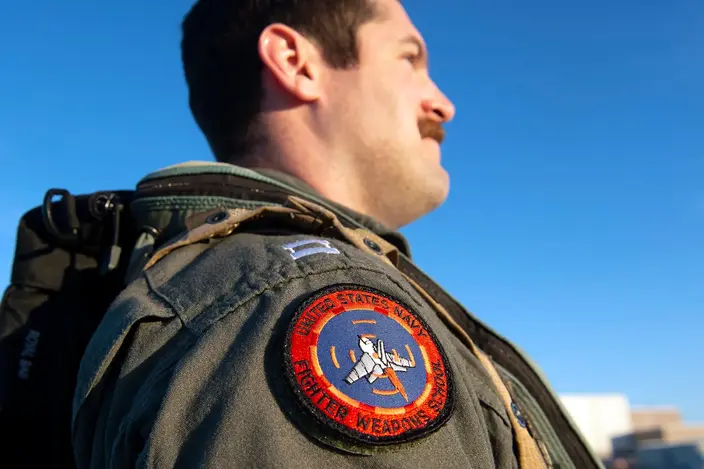
Image by the U.S. Department of War
From Miramar to Fallon
In 1996, TOPGUN moved to Naval Air Station Fallon, Nevada. It became part of the Navy’s tactical aviation training enterprise at Fallon.
Today, TOPGUN is part of the Naval Aviation Warfighting Development Center (NAWDC). NAWDC brings together multiple weapons schools and tactics programs so the Navy can develop, standardize, and share what works across the fleet.
Evolution of TOPGUN
Aircraft, sensors, and weapons have changed a lot since the program began. The core purpose has not changed: teach advanced tactics and produce instructors who can raise the tactical level of the fleet.
TOPGUN evolves by updating tactics and training to match current threats and current capabilities. That includes live flying, academics, and simulation.
The Aircraft That Defined TOPGUN
TOPGUN has trained across multiple aircraft generations.
- 1960s and 1970s: training included aircraft like the F-4 Phantom II and F-8 Crusader
- 1980s: the F-14 Tomcat became closely associated with the TOPGUN era shown in the original film
- Today: strike fighter training commonly centers on aircraft like the F/A-18E/F Super Hornet and the F-35C Lightning II
Why TOPGUN Instructors Matter
TOPGUN is often described as a program that teaches instructors. Graduates return to squadrons, carrier air wings, and staff roles and help improve tactics, training, and readiness.
Instructors are expected to:
- Stay current on tactics and threat trends
- Build and teach training plans that match fleet needs
- Share lessons learned and standardize best practices across the force
Also read: Wings of Valor: Key Differences between Navy Pilots and Air Force Pilots
Aircraft in TOPGUN
TOPGUN training includes both fleet aircraft and aircraft used to replicate threats. The exact mix changes over time, based on unit availability and training goals.
F-16
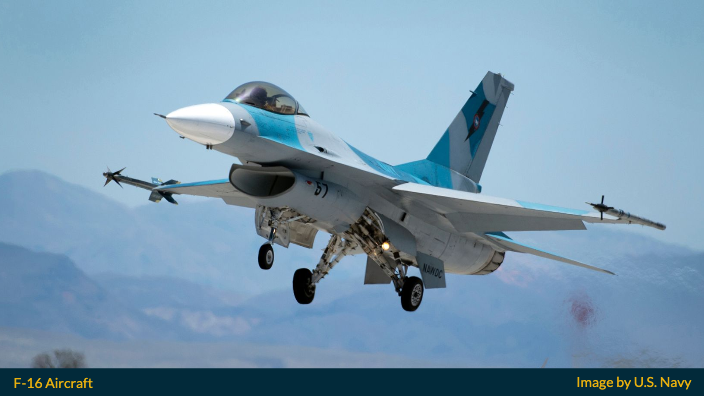
The Navy uses F-16s in adversary training to simulate realistic threat fighters and tactics during air combat training.
F/A-18
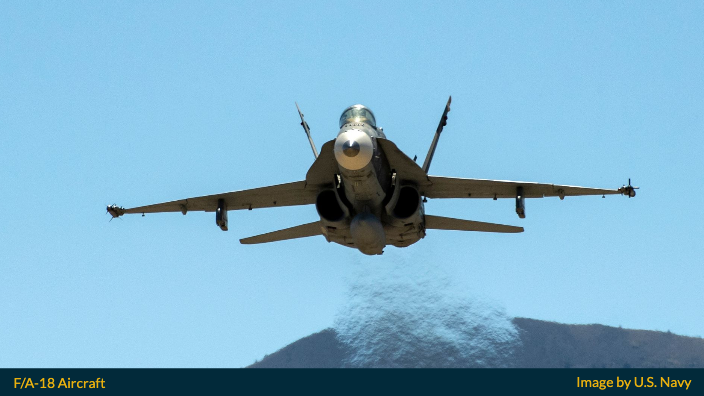
The F/A-18 family is a multi-role aircraft used for both air-to-air and air-to-surface missions. Variants have supported tactical aviation for decades, and the Super Hornet remains a core strike fighter in the fleet.
F-35
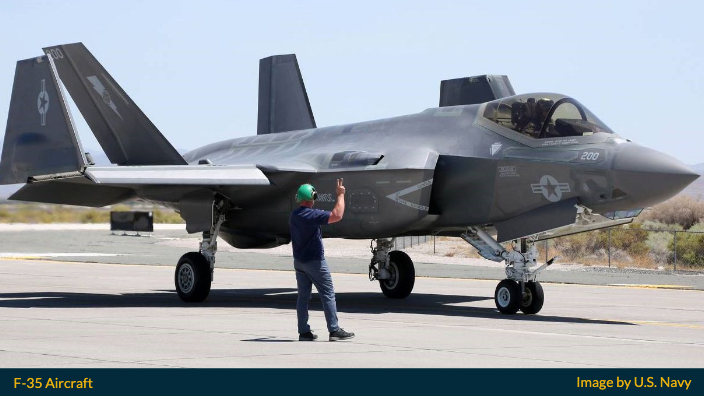
The F-35C is a carrier-capable, fifth-generation strike fighter. It adds advanced sensors and networking that change how aircrew find, track, and engage threats.
TOPGUN Mission Sets
TOPGUN training supports multiple mission areas. The emphasis can shift based on current operational needs.
Air-to-Air
Air-to-air training focuses on defeating enemy aircraft and surviving in contested airspace. This is the mission area most people associate with TOPGUN.
Air-to-Surface
Air-to-surface training focuses on striking targets on land. It includes weapons employment, coordination with other units, and operating in complex threat environments.
Maritime Strike
Maritime strike focuses on finding and engaging hostile ships. It also includes coordination with Navy and joint capabilities that support sea control and power projection.
TOPGUN Student Groups
Students commonly fall into three broad groups: strike fighter tactics instructors, adversary students, and air intercept controllers.
Graduates are expected to return to the fleet and teach what they learned. That is one of the main ways the program improves readiness beyond the classroom.
Strike Fighter Tactics Instructor
Strike fighter tactics instructor training focuses on the newest tactics and best practices for strike fighter aircrew. Training combines academics, planning, and flying, with the goal of creating instructors who can lead tactical training back in the fleet.
Adversaries
Adversary training focuses on replicating threat aircraft and threat tactics. The goal is to give fleet units a realistic opponent so training is closer to what aircrew could face in combat.
Air Intercept Controllers
Air intercept controllers can come from airborne early warning and other command and control communities, as well as from the surface fleet. This training focuses on integrating sensors, communications, and decision-making so controllers can support strike fighter tactics in real time.
Also read: Navy OCS Guide for Officer Applicants
Fun Facts About TOPGUN
- TOPGUN began in 1969 at Miramar, California.
- The program moved to NAS Fallon, Nevada in 1996.
- The program is best known for producing instructors who return to the fleet and teach tactics, not just for training a small group of students for personal achievement.
You may also be interested in learning about How Do Navy Pilots Get Call Signs? for aviation culture, Can Navy Pilots Wear Glasses? for vision requirements, and Key Differences Between Navy Pilots and Air Force Pilots for career comparisons.